Tuff Shed Site Prep & Utilities: The Long Beach Owner’s Guide
If your Tuff Shed is sitting on uneven ground, pooling water at the base, or you’re missing the utility rough-ins you need before the shed goes in, we stock and install Tuff Shed-compatible site prep and utility packages across Long Beach. Typical installed pricing for gravel pad prep, pier-and-beam leveling, and basic electrical or water rough-in runs $1,400 to $4,800 depending on lot slope, access, and how far utilities need to travel from the main structure. Most owners discover their site was never properly prepared when the shed doors start binding, the floor feels springy, or a rainstorm turns the approach into a mud pit.
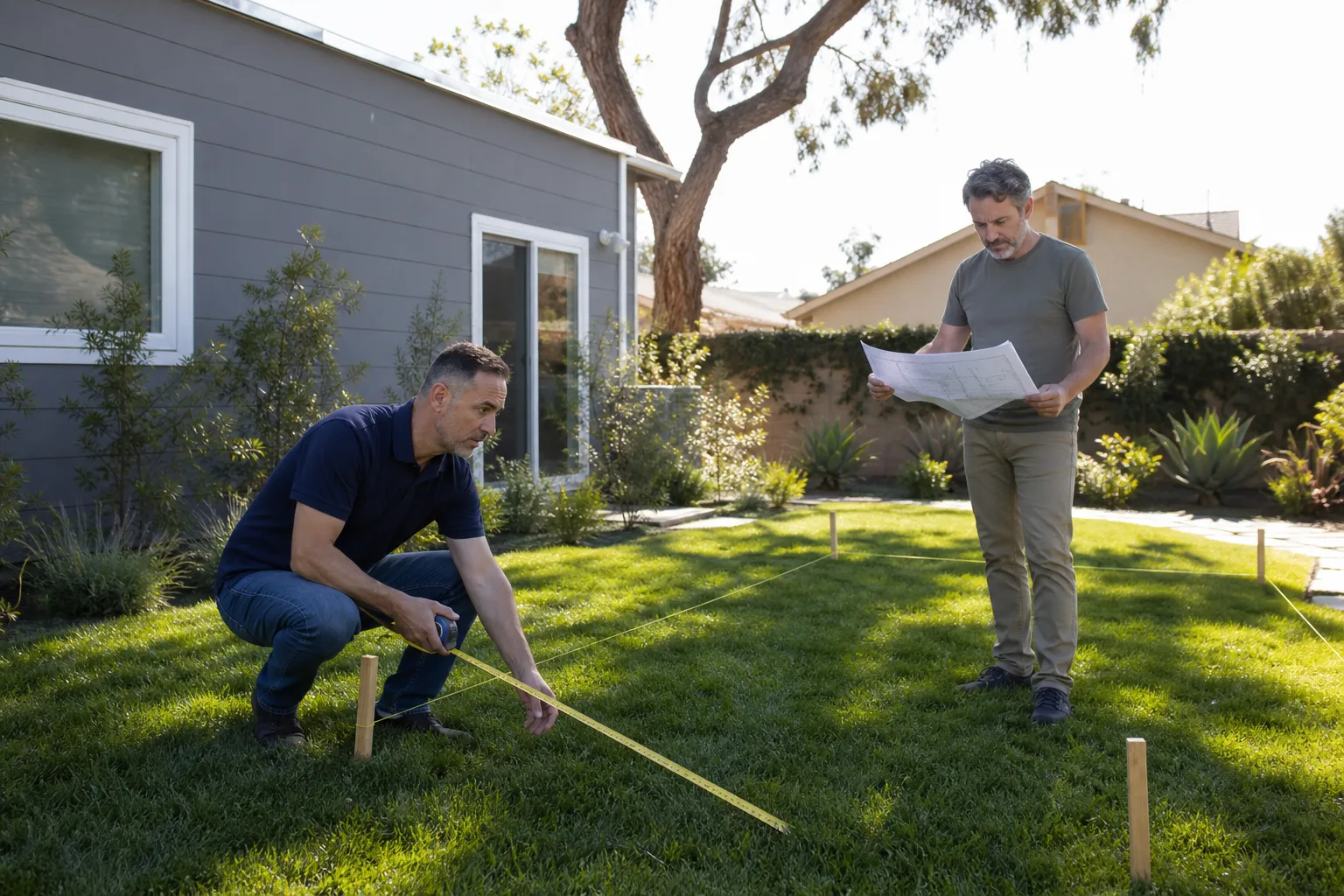
Site prep is the least glamorous part of any Tuff Shed project and the most common place corners get cut. We see it constantly in older Long Beach neighborhoods like Wrigley, Los Altos, and Bixby Knolls, where lots were graded decades ago and never meant to hold an accessory structure. The shed itself is built well. It’s what’s underneath that usually fails first.
Which Tuff Shed Models This Applies To
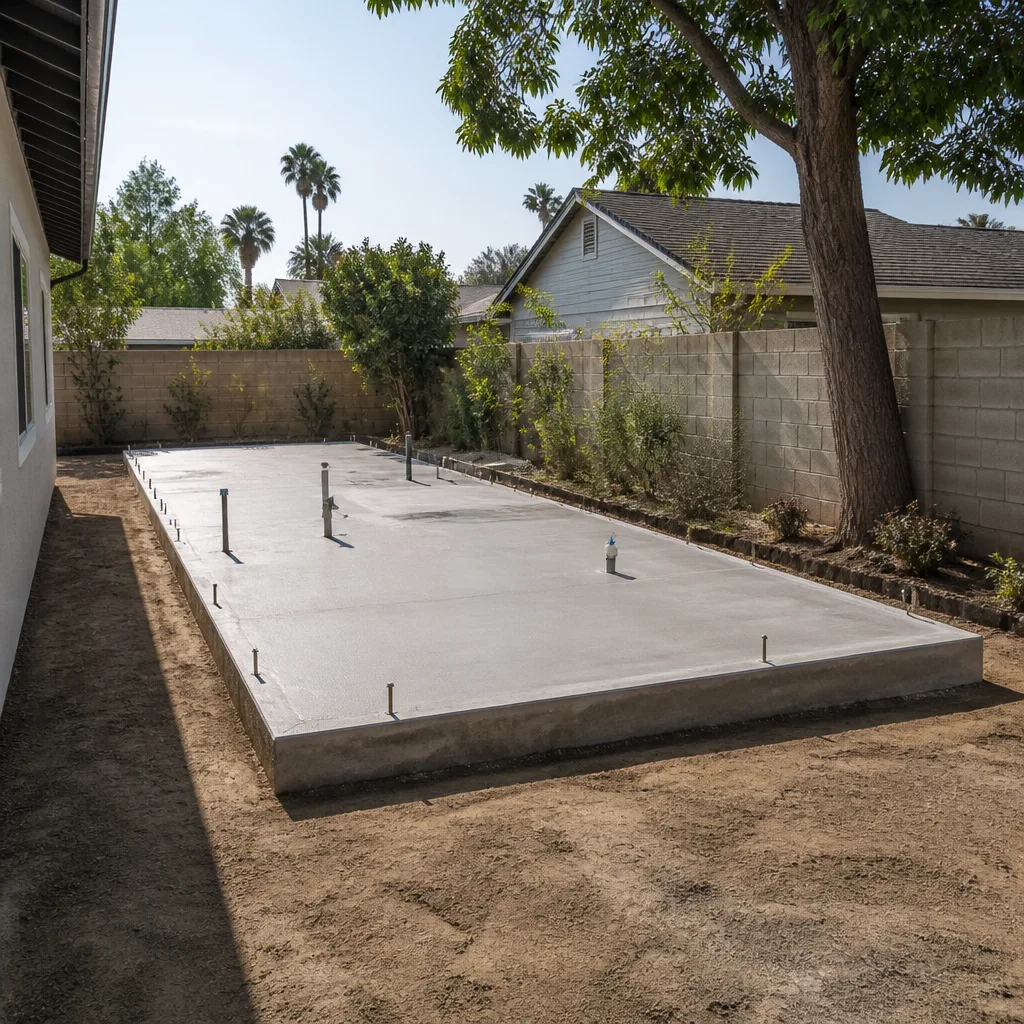
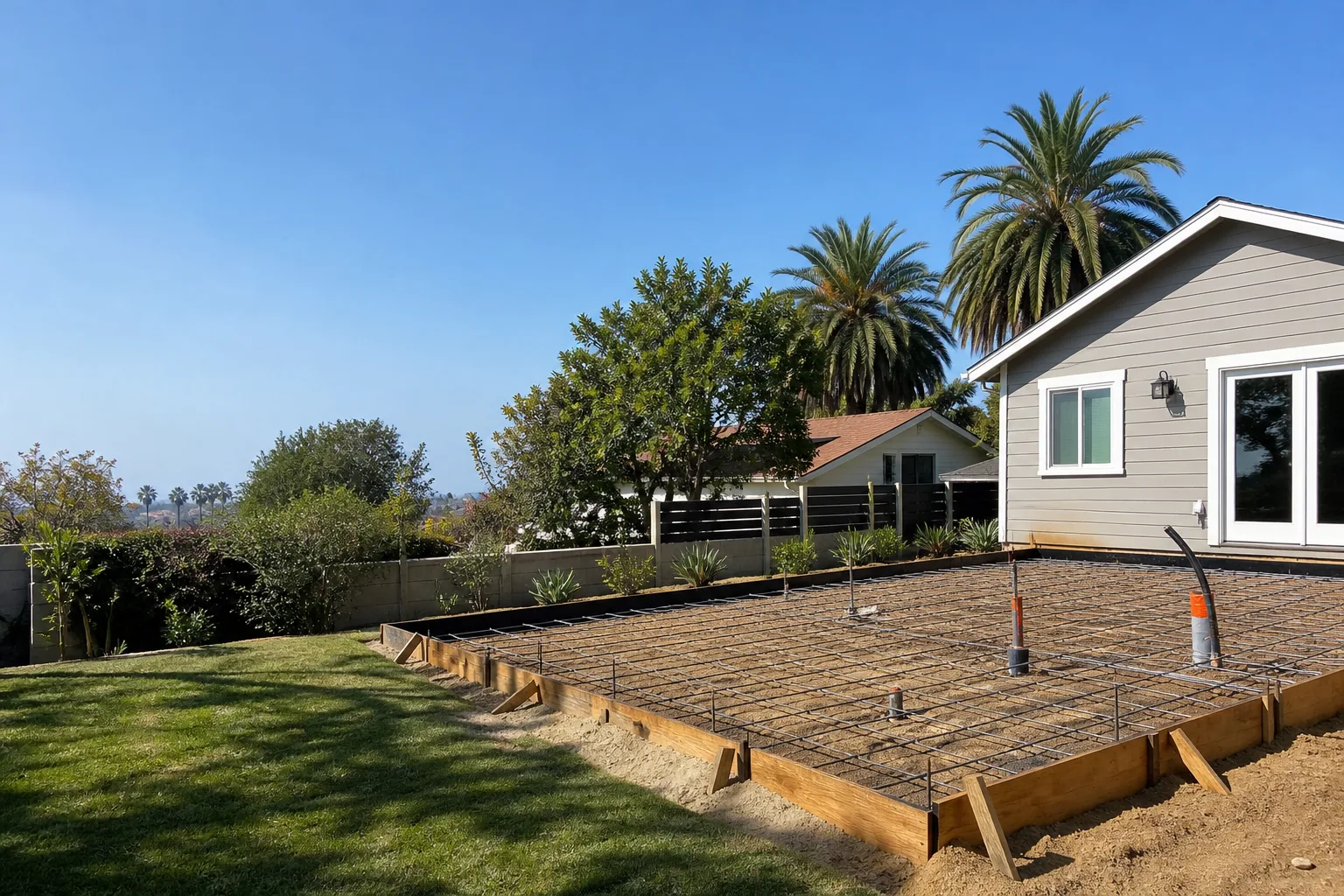
Every Tuff Shed model needs some form of site prep, but the requirements change significantly based on the shed’s footprint and how you plan to use it. The smaller Premier Series and Pro Series units under 120 square feet can sometimes sit on a properly compacted gravel pad. Once you get into the Premier Pro Series, the Tall Barn, or anything over 160 square feet, you’re looking at a concrete slab, pier-and-beam foundation, or at minimum a reinforced gravel base with pressure-treated perimeter blocking.
The compatibility gotcha most Long Beach owners miss is this: Tuff Shed’s site prep videos assume a relatively flat lot. Long Beach has a lot of gently sloping residential lots, particularly north of Willow and east of Redondo, and a 4-inch slope across a 10-foot shed base is enough to cause door misalignment within a year. If your lot drops more than 6 inches from one corner to another, you need a leveled foundation, not a simple gravel spread.
On the OEM-versus-aftermarket question: Tuff Shed doesn’t manufacture foundation materials or conduit. What they provide is a spec sheet and an installation manual that tells your contractor what’s required for warranty compliance. We source the actual materials locally, which means you’re paying Long Beach supply house prices, not a markup on a Tuff Shed-branded box of rebar that doesn’t exist anyway. The brand name on the shed matters. The brand name on the gravel does not.
Signs Your Tuff Shed Site Prep & Utilities Is Failing
- Doors bind or won’t latch cleanly. The shed frame has shifted because the base is settling unevenly. This is the earliest and most reliable warning sign. The shed moves, the square becomes a parallelogram, and the doors are the first thing to complain.
- Water pools at the base or seeps under the walls after rain. Your pad wasn’t graded with enough slope, or the perimeter doesn’t have proper drainage. In Long Beach’s winter rain pattern, this means standing water sits against your floor framing for days.
- The floor feels springy or soft in spots. Moisture has reached the floor joists or the gravel base has washed out beneath them. Tuff Shed floors are engineered to a load spec, but only if they stay dry and supported.
- You can see daylight under the shed’s perimeter skirting. The foundation has eroded or settled so much that gaps have opened. Rodents use these gaps as a front door, and once they’re nesting under your shed, removing them is a separate headache.
- Electrical outlets or lights trip the breaker or flicker when anything else runs. Utility rough-ins were undersized or not properly grounded. A shed that’s meant to be a workshop needs its own dedicated circuit run, not a daisy-chain from a patio outlet.
The underlying cause is almost always the same: someone skipped the prep work to save $800, and now you’re paying for it in structural drift and moisture damage. We’d rather fix it before the shed walls start separating.
Replacement Cost & What’s Included
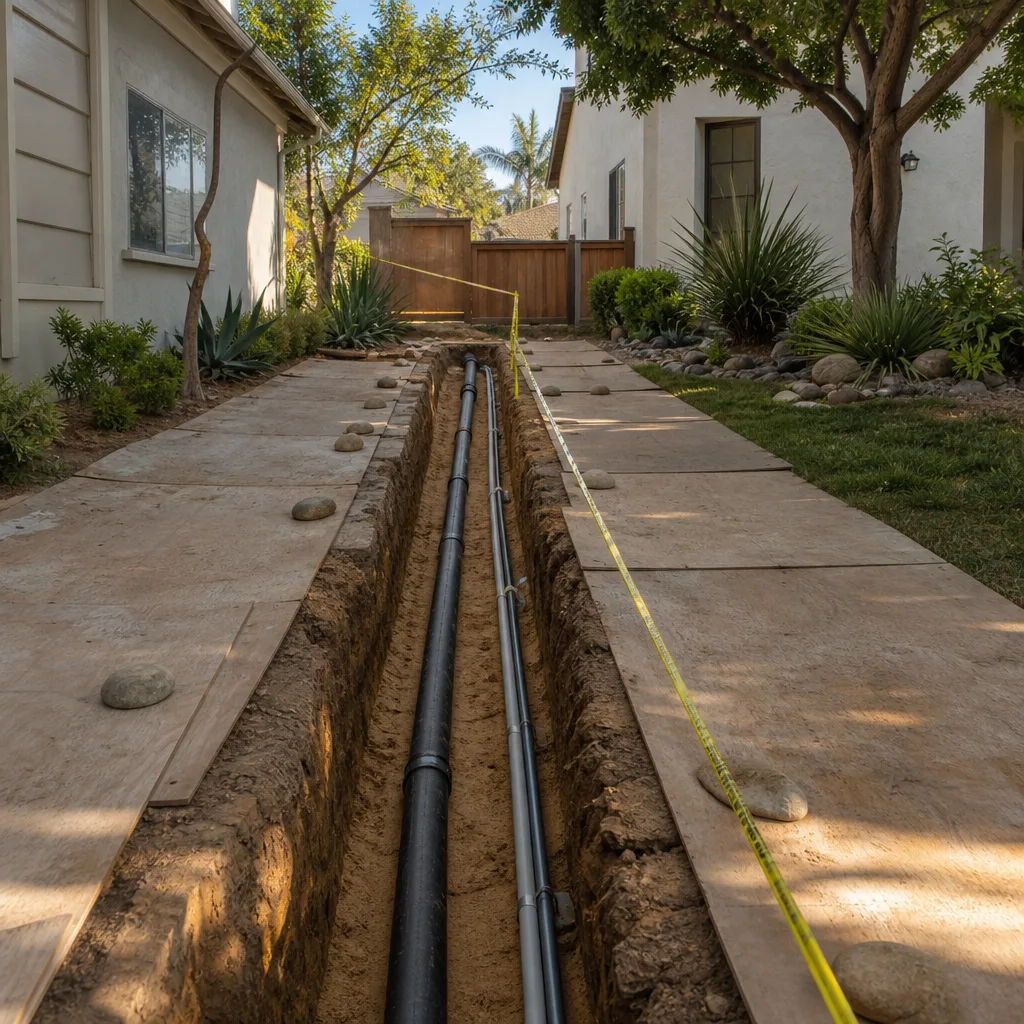
In Long Beach, here’s the price reality we give homeowners before any work starts, stated plainly:
- Gravel pad prep and leveling (up to 120 sq ft): $1,400 to $2,200
- Concrete slab foundation (up to 200 sq ft): $3,200 to $4,800
- Pier-and-beam leveling for existing shed: $1,800 to $3,400 depending on how far out of level it’s drifted
- Electrical rough-in (dedicated 20-amp circuit, 2 outlets, 1 light): $950 to $1,600
- Water line rough-in (if a utility sink or hose bib is going in): $700 to $1,400 based on trench distance
Every estimate includes the written line-item breakdown before work starts, the labor, the haul-away of old materials, and our 365-Day Done Right Promise. If the pad shifts or the rough-in fails within a year, we come back and fix it. That’s in writing, not a handshake.
DIY or Call Us?
There are a few things you can safely check yourself: whether the shed is visibly out of level with a simple bubble level, whether water stands near the base after a rain, whether the doors scrape the frame when they swing. Those observations help us diagnose faster when you call.
What we’d steer you away from doing solo is anything involving jacking the shed to re-level it, running new electrical from your panel, or digging trenches for utilities. Jacking a shed that’s drifted out of square can collapse the wall framing if the load isn’t distributed right, and electrical work done without a permit in Long Beach will bite you when you sell the house. A Tuff Shed site failure is fixable, but a structural collapse or a bad wiring job is a much bigger problem than the original issue. For an honest assessment of what’s actually going on under your shed, call us at (562) 362-3885.
FAQs
A correctly installed gravel pad or concrete slab in Long Beach should last 20 to 30 years before any meaningful settling occurs, with the caveat that the city’s expansive clay soils in some neighborhoods will always cause minor movement during seasonal wet-dry cycles. The key is proper compaction and drainage at installation. Call (562) 362-3885 if you want us to look at what you currently have and give you an honest read on its remaining lifespan.
Yes, in most cases a settling pad can be re-leveled with additional compacted fill and a re-graded perimeter, and that typically runs $800 to $1,500 less than a full replacement. If the base has washed out completely or the shed is more than 2 inches out of level, replacement is usually the smarter long-term move. We’ll tell you which one applies and put the numbers in writing either way.
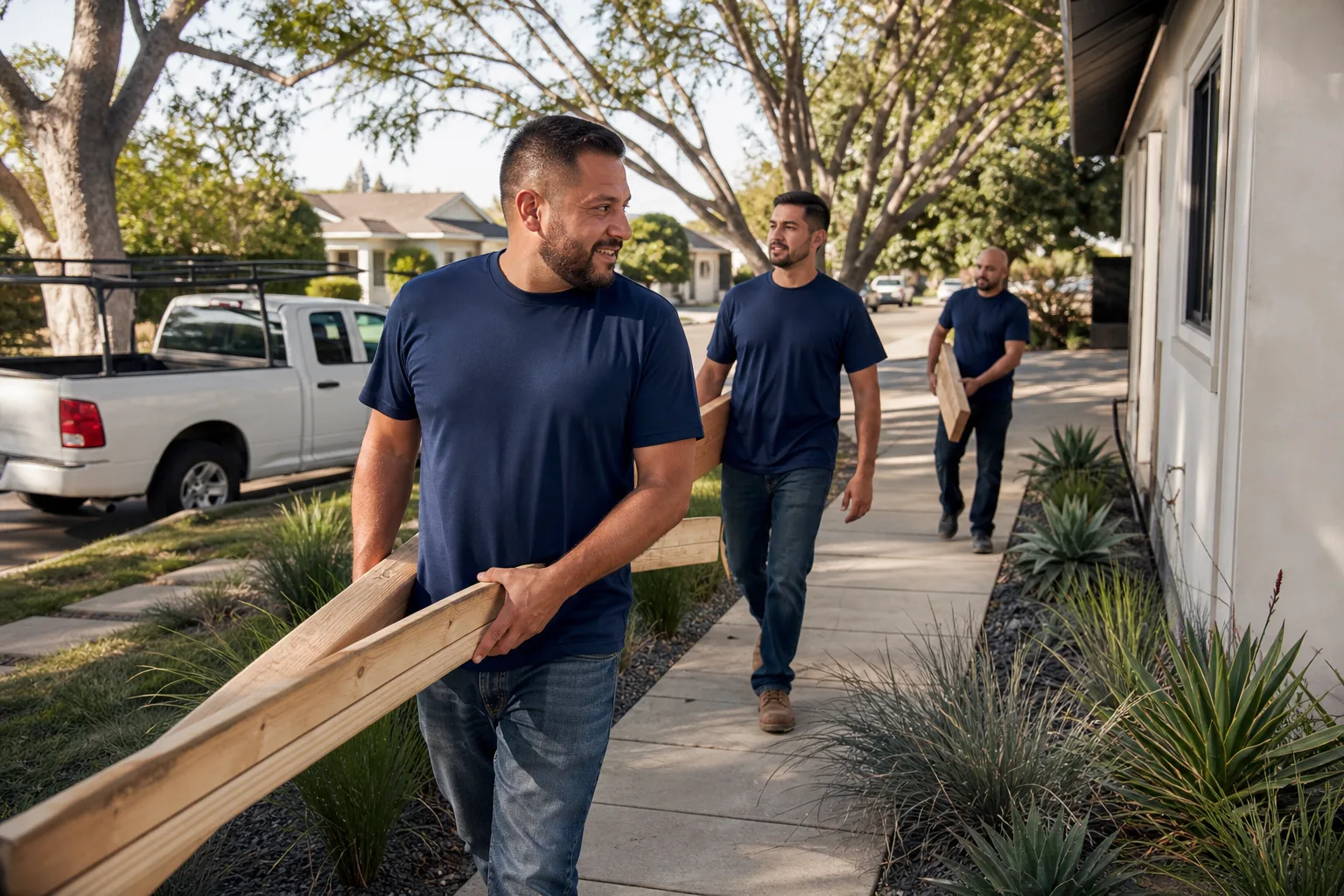
Gravel pad leveling and drainage correction is usually a one-day job for our crew. Concrete slabs need 24 to 48 hours of cure time before the shed can be placed or reset. Electrical rough-ins are typically done in half a day, assuming the panel has capacity. We’ll give you a schedule before we start, and real-time tracking through The Relay Visibility Guarantee means you’re not wondering when we’ll show up.
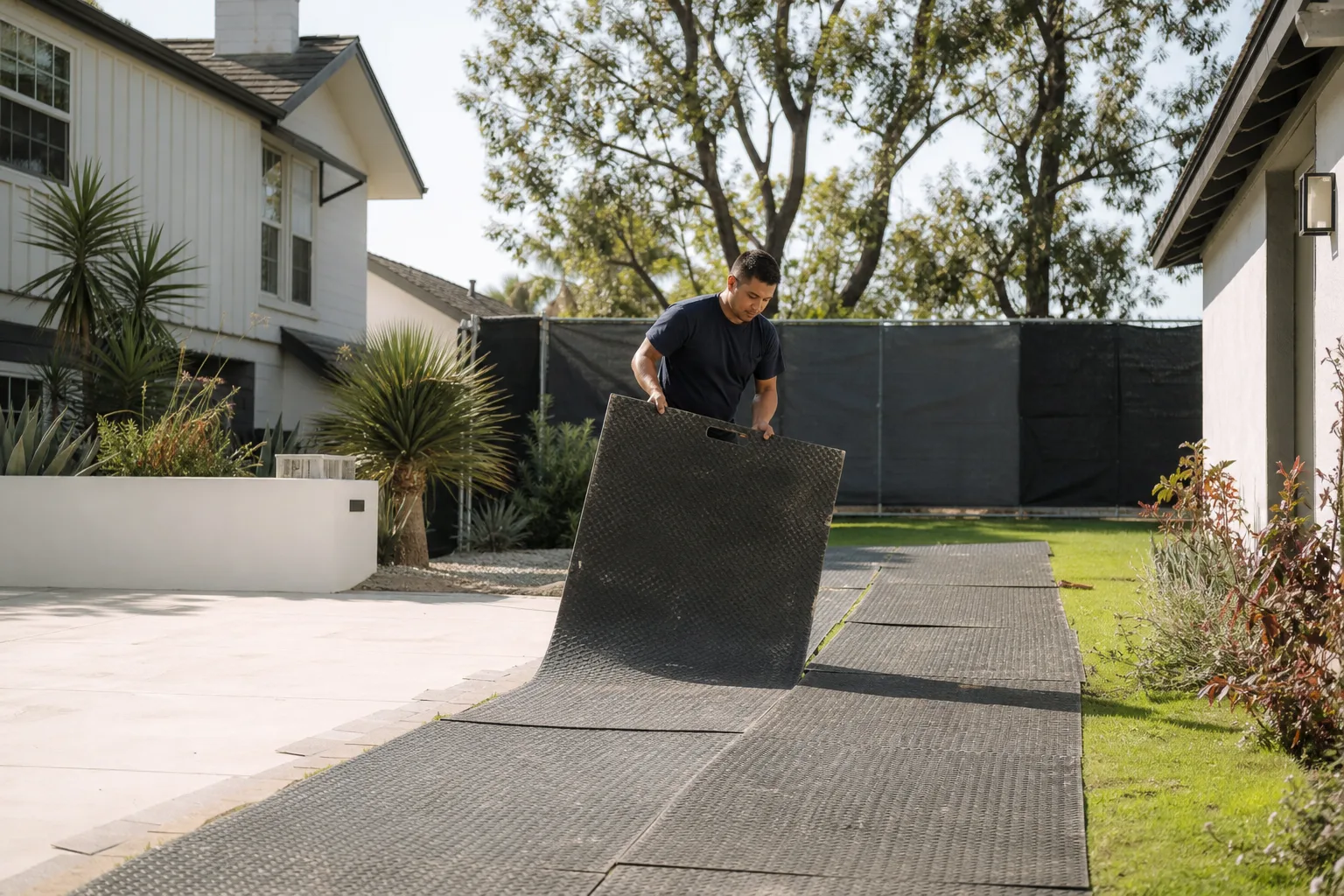
We stock the common materials on our trucks for the most frequent jobs: pressure-treated blocking, anchor hardware, conduit, and weatherproof boxes. Larger items like concrete and fill gravel are sourced from Long Beach supply yards the same week. You never need to order anything yourself. We also install site prep and utilities for Abodu, Cover, and Dvele ADUs, so our crews work with prefab foundation specs on a weekly basis.
Every promise in writing before a single shovel turns. Call (562) 362-3885 to schedule a free site assessment, and we’ll walk you through exactly what your Tuff Shed needs, what it costs, and what the finished prep will look like.
Written by Troy Eastman, Owner & Lead Builder, Benson ADU Long Beach at Benson ADU Long Beach, serving Long Beach and nearby areas.