A free site visit, a check of what your lot allows and a written, line-item price.
Get your free estimateFast, Reliable Home Addition Contractor Across Seal Beach
Adding square footage to a Seal Beach home costs between $180 and $420 per square foot depending on whether you’re building out, up, or converting an existing garage. A straightforward bump-out in College Park East runs $75,000 to $160,000, while a second-story addition on The Hill typically lands between $220,000 and $480,000. We quote those numbers in writing before any work starts, because that’s the only way a homeowner should ever hear them. If you’re planning a home addition in Seal Beach, call (562) 362-3885 to schedule a free estimate.
Why Benson ADU Long Beach Is Seal Beach’s Preferred Home Addition Contractor Company
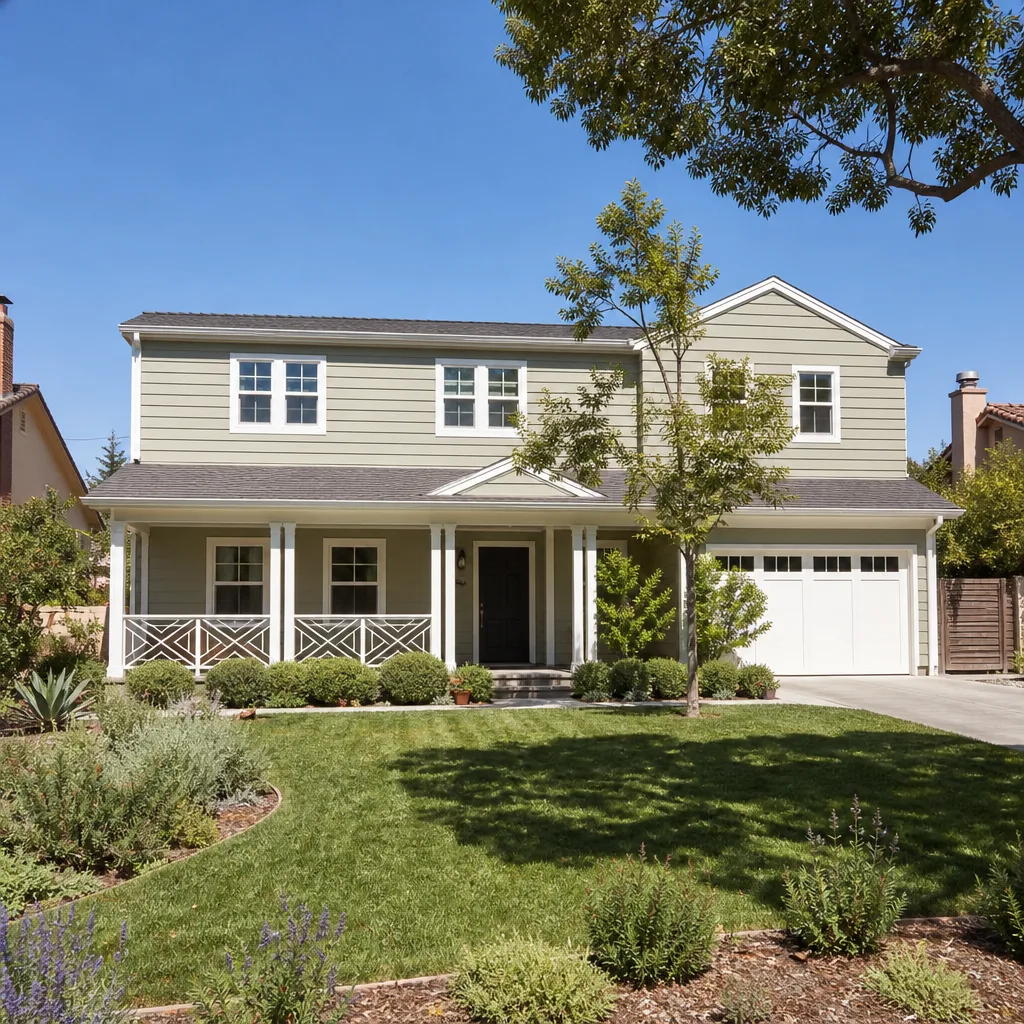
Our crews work in Seal Beach every week, so we know what a 1930s Old Town bungalow hides behind its stucco and what the coastal air does to framing over time. We’ve pulled permits through the city’s design review process and we understand when a Local Coastal Program trigger applies to your project. That local familiarity means our quotes account for reality, not some optimistic best-case scenario.
Every project we run comes with a written price before work starts, background-checked and uniformed technicians on site, and a live person answering the phone around the clock. Troy Eastman, our owner, built the company around a simple premise: homeowners deserve to know what a job costs and what’s being done to their house. The 365-Day Done Right Promise backs every detail in writing. If something isn’t right within a year, we make it right. No phone tag, no disappearing act, no re-negotiation at the end.
Second Story Addition Contractor in Seal Beach
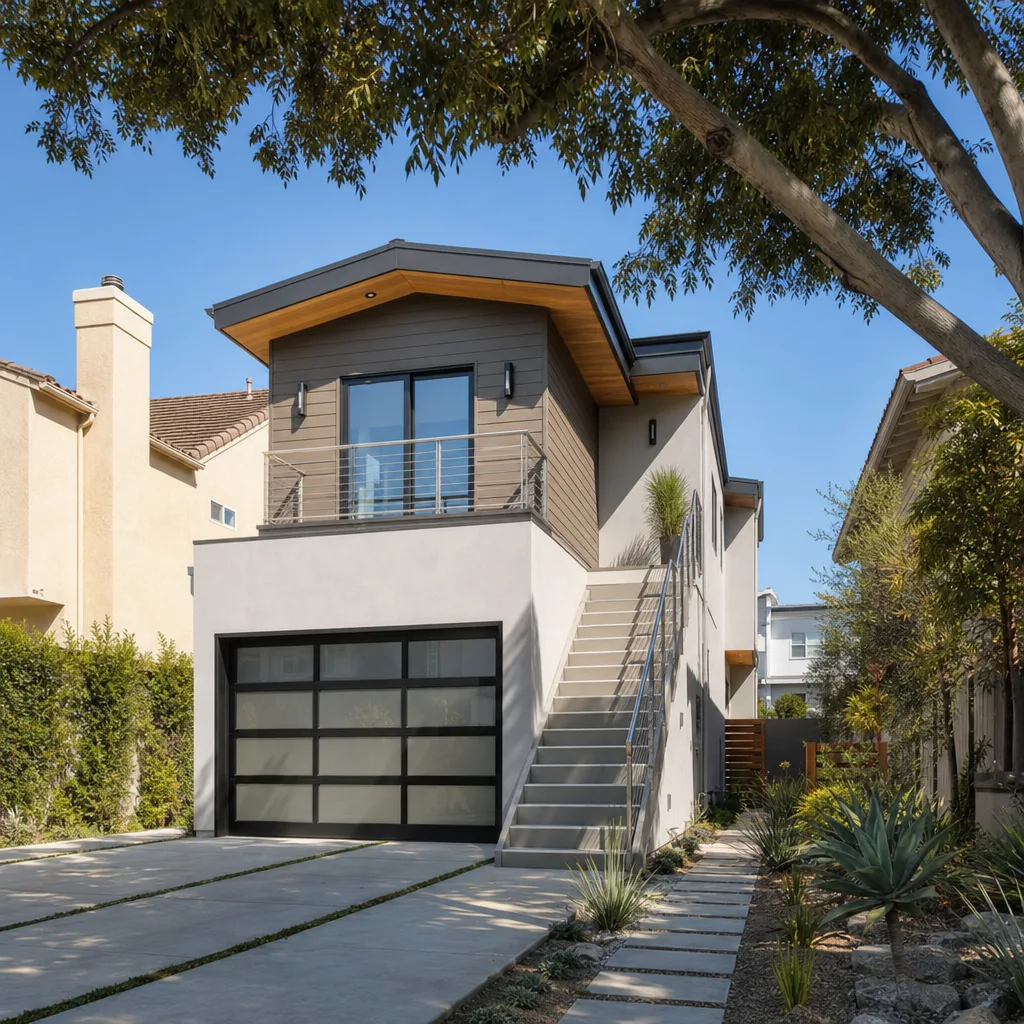
A second story addition in Seal Beach means working within a coastal zone where height limits, design review, and older framing all collide. We handle that from the first site visit: measuring the existing footprint, checking foundation capacity, and confirming what the Local Coastal Program will and won’t allow before we ever draft a floor plan. Most second-story additions in Seal Beach run $220,000 to $480,000, with The Hill and Old Town projects skewing toward the upper end because of design review complexity and the structural upgrades older homes require.
We’re the Home Addition Contractor team that writes a fixed price before demolition starts. That price includes the engineering, permits, and material allowances for the surprises we already expect in Seal Beach’s housing stock.
Structural Reality in Older Homes
Opening up a 1940s or 1950s Seal Beach home for a second story usually means reinforcing the existing first-floor framing and foundation. We scope those upgrades into the contract upfront, so the price you sign is the price you pay unless we both agree to a change in writing.
Design Review and Height Limits
Seal Beach’s coastal zone rules limit building height and require design review for second-story work in most neighborhoods. We prepare elevations and material boards that match the beach-town character reviewers expect, then walk the permit through for you. You won’t be stuck chasing the planning counter.
Garage Addition Contractors in Seal Beach
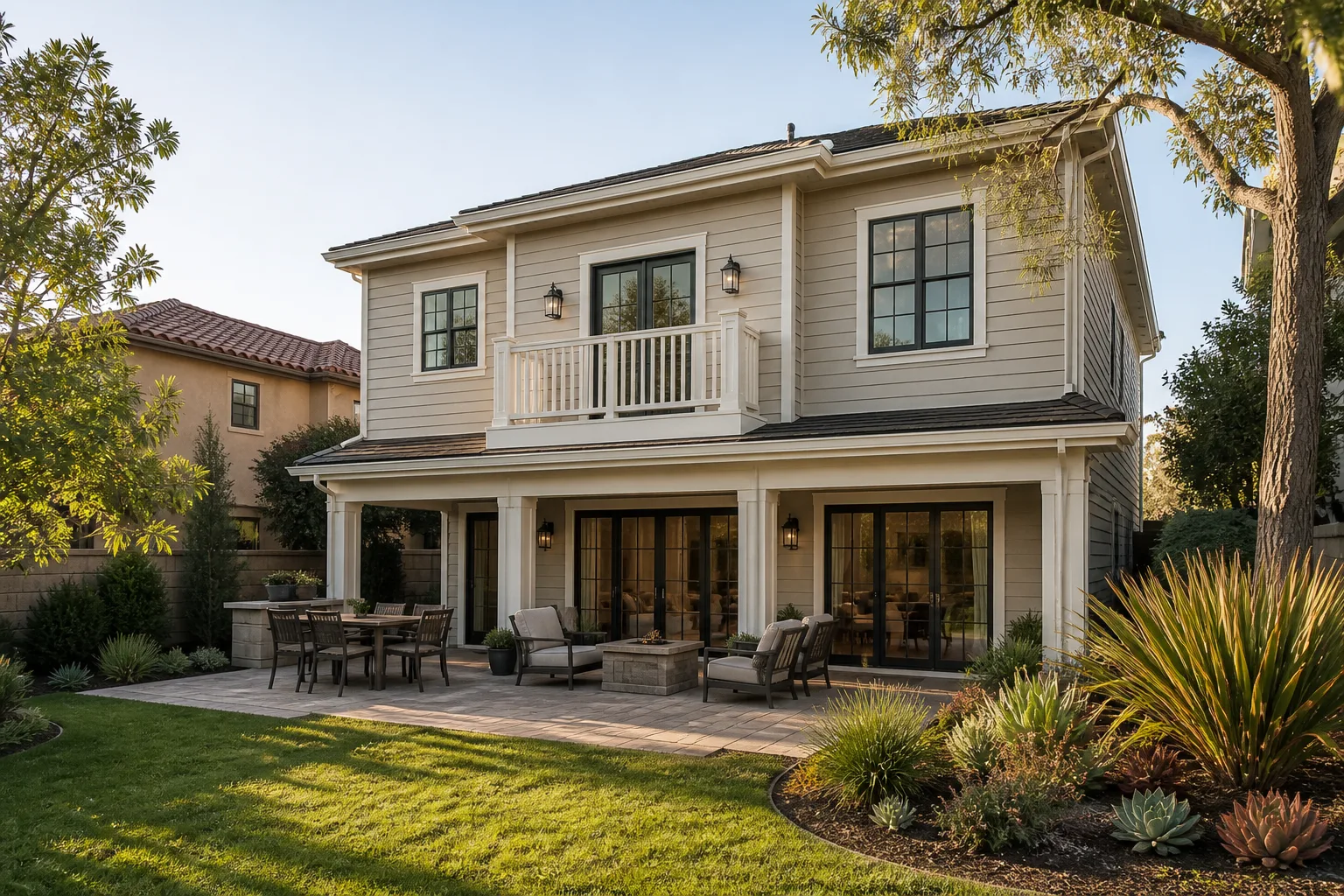
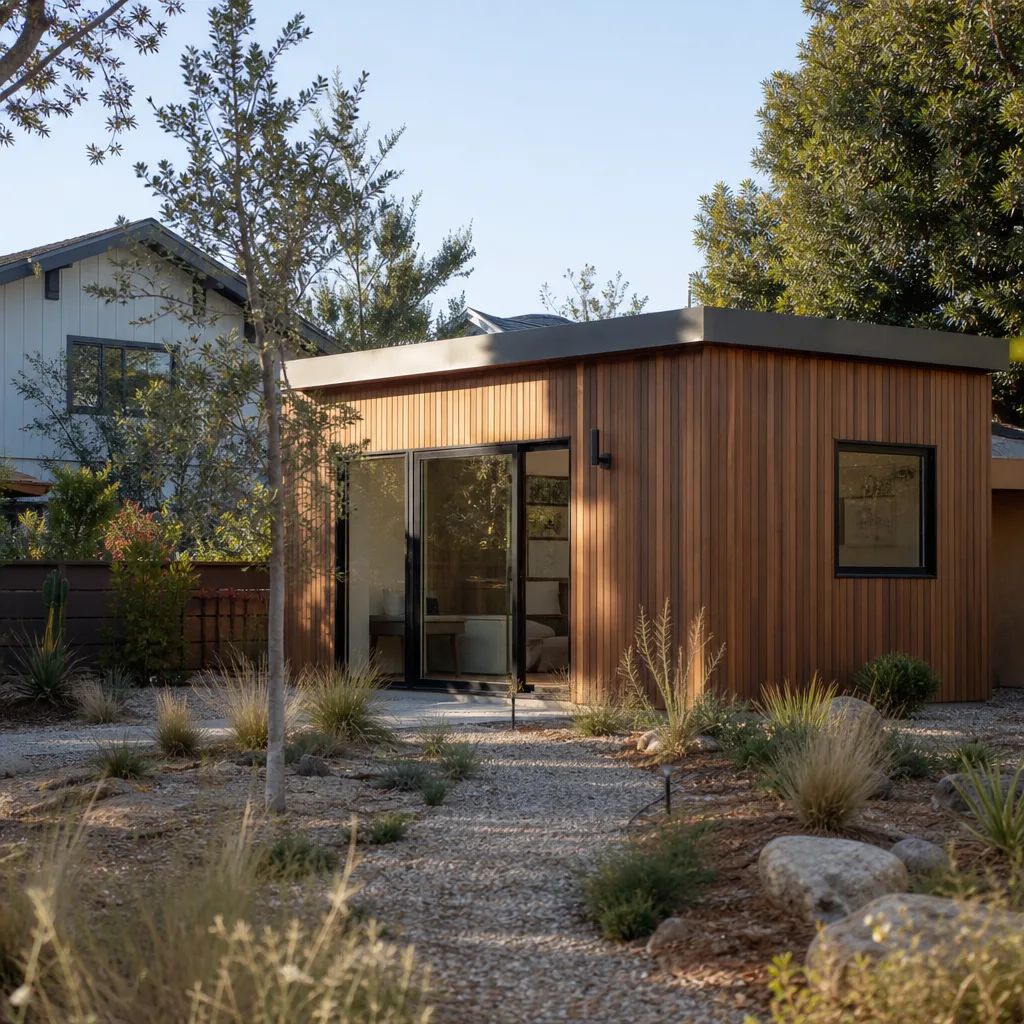
Garage additions in Seal Beach split into two paths: converting an existing detached garage into living space, or building a new attached or detached addition from the slab up. Conversions of old garages in Old Town often involve nonconforming setbacks and alley-adjacent lot lines, which changes where we can legally build and how we frame the roofline. A garage conversion in Seal Beach typically runs $120,000 to $280,000, while a new attached garage addition or ADU Builders in Seal Beach project starts around $180,000 and climbs from there.
We’re the Seal Beach team that handles both the construction and the permit gymnastics, including coastal development permits when the city’s Local Coastal Program requires them.
Nonconforming Lot Lines and Alley Setbacks
In Old Town, many garages sit on zero lot lines, so setbacks are measured from the alley rather than the street. That quirk determines how far back we can push a wall, where we can add windows, and whether a second story above the garage is even feasible. We verify all of that before quoting.
Detached Garage to Living Space
Seal Beach’s 1920s through 1950s detached garages are good candidates for conversion because they already sit on a poured foundation with power run to the structure. What they don’t have is waterproofing, insulation, or seismic anchoring. We bring them up to current code, which means real plumbing, real electrical, and a building that won’t rust out from the marine layer.
Trusted Brands We Service in Seal Beach
We build with products homeowners can research independently: James Hardie fiber cement siding, Abodu prefab panels, Cover, and Dvele for ADU and addition shells. For Seal Beach specifically, we lean on James Hardie cladding because it holds up to salt air and fog far better than wood or vinyl. Since we stock these materials for local jobs, turnaround on an addition doesn’t stall waiting on a supply truck. You get a materials list with your written quote, and you can Google every brand before you sign anything.
Common Home Addition Contractor Problems We See in Seal Beach Homes
- Lowball quotes that ignore latent damage. Contractors quote a low number assuming the walls are clean, then hit the owner with a six-figure change order once they find knob-and-tube wiring or termite damage in a 1930s bungalow. We scope electrical and framing allowances into the contract from day one.
- Corroded metal fasteners from salt air. Standard steel connectors and fasteners fail within a few years in Seal Beach’s marine layer. We specify corrosion-resistant hardware on every coastal project, and that requirement is written into the plans.
- Missing the Local Coastal Program trigger. A garage conversion or second-story addition that triggers a coastal development permit can get a stop-work order if the contractor didn’t catch it. We check the Local Coastal Program maps before quoting, so permits are filed correctly the first time.
- Failed waterproofing on original stucco. Beach cottages built before modern building codes rarely have a drainage plane behind the stucco. When we open walls for an addition, we repair that waterproofing so the new work doesn’t start life with moisture already creeping in.
Pricing for Home Addition Contractor in Seal Beach, CA
Here’s what Seal Beach homeowners can expect as of 2026:
- Bump-out additions: $75,000 to $160,000
- Garage conversions: $120,000 to $280,000
- New attached garage additions: $180,000 to $320,000
- Second-story additions: $220,000 to $480,000
- Bathroom additions: $60,000 to $140,000
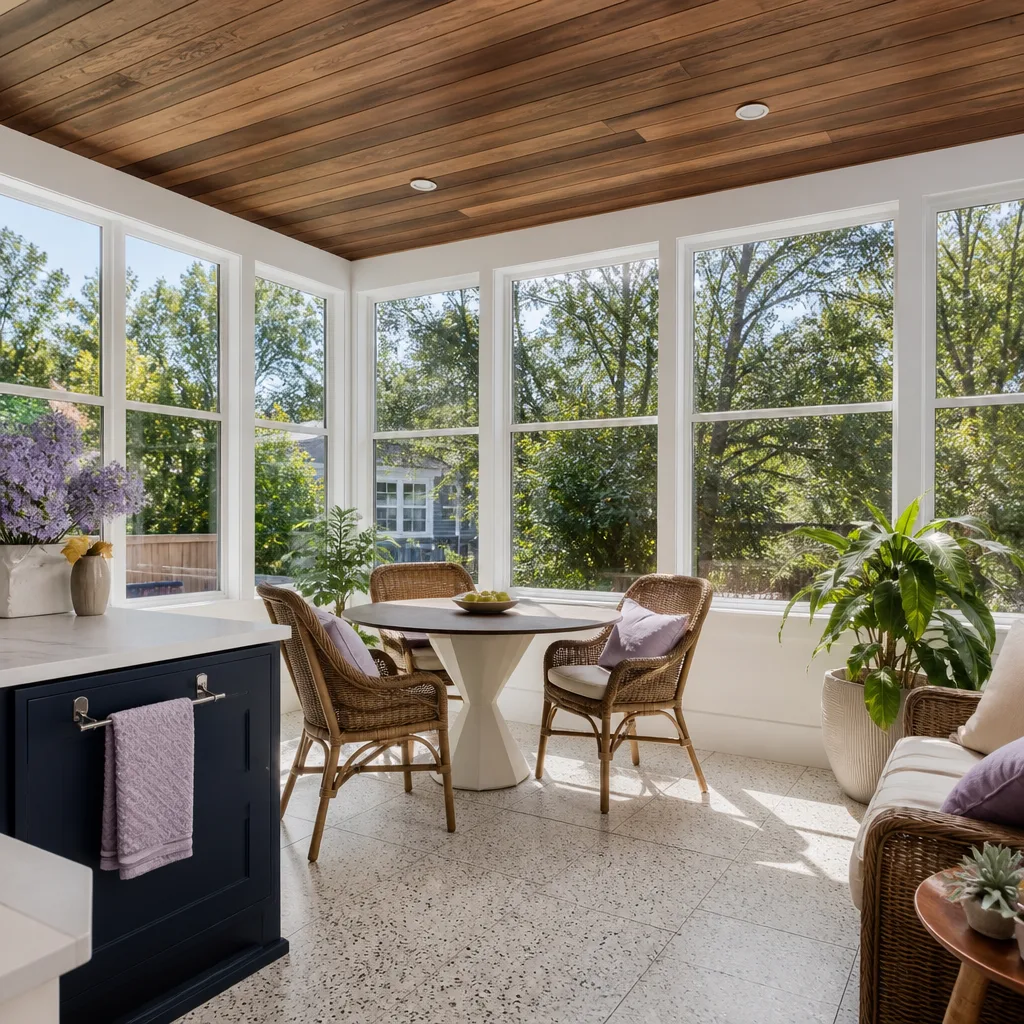
- Sunroom additions: $90,000 to $210,000
What pushes a Seal Beach project toward the top of those ranges: design review requirements in the coastal zone, structural upgrades on older homes, and corrosion-resistant material specifications. What keeps a project at the low end: a straightforward bump-out on a room with accessible framing and no permit triggers beyond standard building review. Every quote we give includes a line-item materials allowance, so if we open a wall and find knob-and-tube wiring or termite-damaged sill plates, the allowance covers it and you approve the change in writing before we spend a dollar more. Call (562) 362-3885 for a free estimate with real numbers.
We Also Serve Cities Near Seal Beach
Beyond Home Addition Contractor in Seal Beach, our crews handle additions in Signal Hill, Long Beach, La Palma, and Buena Park. Same written pricing, same 365-Day Done Right Promise, same live person on the phone. If you’re just over the city line, call (562) 362-3885 and we’ll confirm coverage.
Serving Seal Beach, CA - Our Local Coverage Area
We’re based in the Seal Beach area and know this community well. Use the map below to see our service coverage - if you’re nearby, we can almost certainly help.
FAQs About Home Addition Contractor in Seal Beach
Yes, in most cases. Nonconforming status doesn’t automatically disqualify a garage conversion, but it does change how setbacks are measured. In Old Town, zero lot lines mean the setback is typically measured from the alley rather than the street, which can actually work in your favor for an attached ADU. The catch is that the city’s Local Coastal Program may require a coastal development permit for the conversion. We check the parcel maps and Local Coastal Program overlays before quoting, so you know exactly what the permit path looks like. Call (562) 362-3885 for a free evaluation of your specific garage.
You’ll likely find knob-and-tube or early Romex wiring that doesn’t meet current code, and any wall we open triggers a requirement to bring that circuit up to standard. In a 1940s beach cottage in Old Town or College Park East, that usually means a partial or full rewire of the affected rooms. We write an electrical allowance into every addition contract up front, so the rewire is priced before we start and you approve the exact cost in writing when we confirm what’s behind the plaster. The alternative is the contractor who quotes low and hands you a surprise invoice later.
The salt air and morning fog accelerate corrosion on standard steel connectors, fasteners, and flashing. In Seal Beach, we specify corrosion-resistant hardware, stainless or hot-dip galvanized connectors, and non-corrosive flashing details on every addition. James Hardie fiber cement cladding is our default exterior material here because it resists the moisture and salt exposure that warps wood siding within a decade. Paying for these materials up front adds roughly 2 – 4% to a project’s framing budget and prevents a five-figure repair five years down the road.
It depends on the parcel’s location relative to the city’s Local Coastal Program boundary, and many homes on The Hill fall inside it. If the permit is required, it adds design review time and specific height, bulk, and materials constraints to your project. We research the Local Coastal Program designation during the estimate phase so we can tell you, in writing, whether your second story triggers coastal review and what that adds to the timeline. Estimating that permit path is exactly what a Seal Beach addition contractor should do before you pay for plans.
Quotes jump because contractors price the job assuming the framing, wiring, and waterproofing behind the walls are sound, and in Seal Beach’s 1920s through 1950s housing stock they often aren’t. On 10th Street in Old Town, our crew opened the walls of a 1930s beach bungalow for a second-story addition and found knob-and-tube wiring, termite-damaged sill plates, and no waterproofing behind the original stucco. Because we had already scoped allowances for electrical and framing upgrades in the contract, the coastal permit-triggered rewire and shear-wall retrofit were priced as a written change order before we did the work. The project stayed on schedule and the owner never got an unapproved invoice. That’s the difference a written allowance makes.
Ready to talk numbers? Call (562) 362-3885 and we’ll walk the site, answer your questions, and give you a written estimate with real line items. No verbal guesses, no pressure, just the information you need to decide.
Written by Troy Eastman, Owner at Benson ADU Long Beach, serving Seal Beach homeowners with written pricing and the 365-Day Done Right Promise.