James Hardie ADU Builders in Long Beach: What to Know First
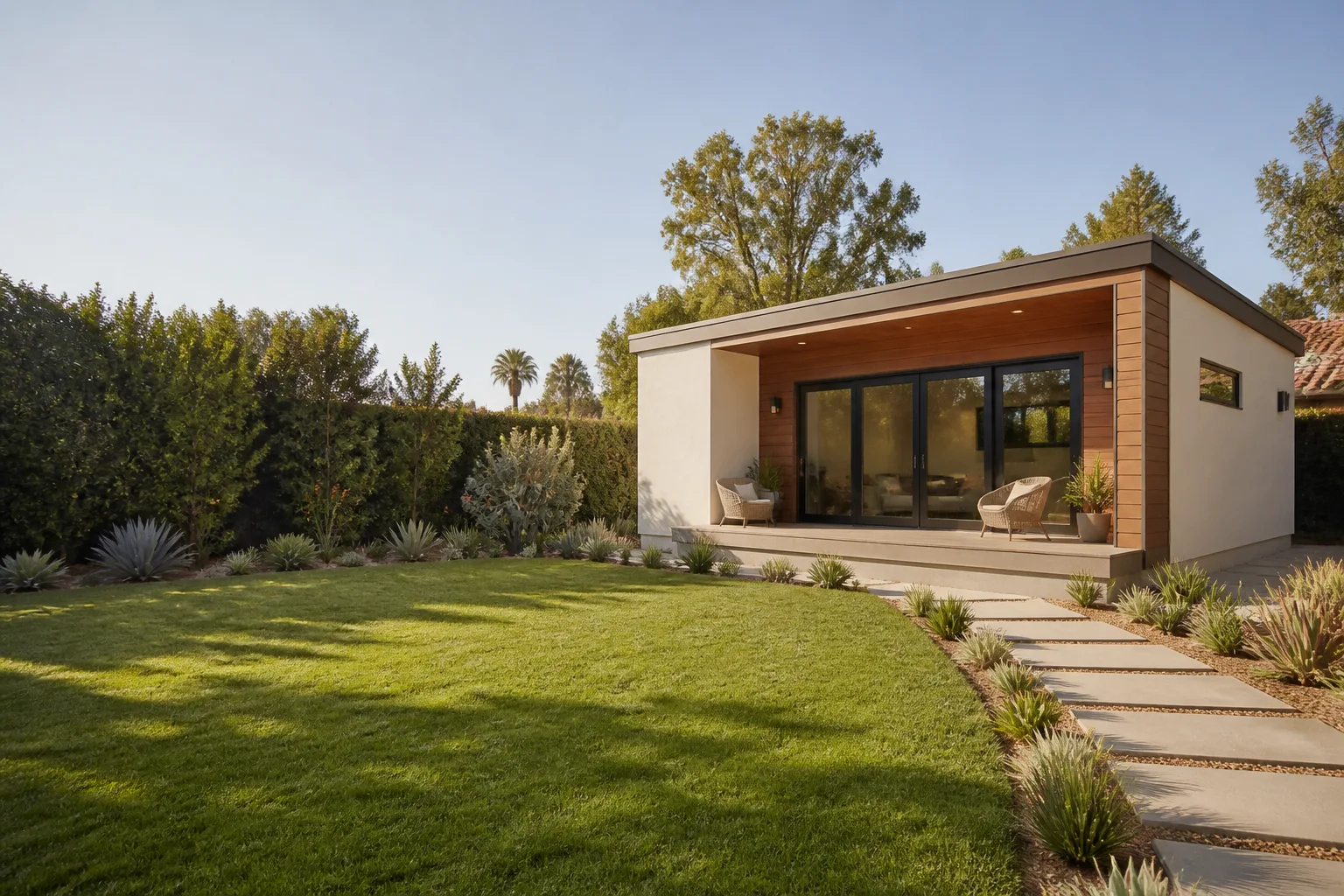
James Hardie ADU construction in Long Beach typically runs $250 to $450 per square foot for a site-built detached unit with HardiePlank lap siding or HardiePanel vertical siding, with most complete projects landing between $180,000 and $320,000 depending on size, foundation work, and finish level. We’re an independent James Hardie service provider, which means we install and build with their full cladding and trim lines every week but we don’t answer to a corporate territory manager when something needs a judgment call. If you’re planning a detached ADU, garage conversion, or JADU and want Hardie siding done right the first time, call (562) 362-3885 for a written estimate before anything gets signed.
This page is for Long Beach homeowners who already know James Hardie is the siding they want, or who’ve heard the name and want straight answers on cost, durability, and what actually goes wrong with it here by the coast. No fluff. Just what we see on real job sites from Wrigley to Belmont Shore.
How James Hardie Products Fail – and How We Fix Them
James Hardie fiber cement is genuinely tough stuff. But it’s not magic, and Long Beach’s salt air plus wet winters plus intense summer sun creates failure patterns we see over and over. Here’s what actually goes wrong and what we do about it.
- HardiePlank lap siding wicking moisture at butt joints. The factory finish on HardiePlank is baked on, but the cut ends are bare fiber cement. When siding is butt-joined too tight or caulked incorrectly, those ends soak up ocean moisture and swell. We see this constantly on ADUs built within a few blocks of the water. The fix is proper flashing at every joint and an 1/8-inch gap with color-matched caulk, not paint, left to flex.
- HardiePanel vertical siding telegraphing stud lines. This is a Long Beach classic, especially on the older lots where framing settles. HardiePanel is a 4×8 sheet, and if it’s nailed too tight against a framing member that shifts, you get visible vertical ridges down the wall. It looks like a framing flaw but it’s actually an installation tolerance issue. We re-fasten panels with the correct fastener schedule and add expansion clearance at sheet edges.
- HardieTrim boards cracking at outside corners. HardieTrim is thicker and denser than the siding, and when two pieces meet at a corner without a proper gap, thermal expansion cracks them within a few seasons. Long Beach gets enough temperature swing between January mornings and August afternoons to stress those joints hard. We replace cracked trim and install corner flashing so water never finds the crack first.
- Improper clearances above roofing and at grade. Fiber cement can’t sit in standing water or tight against roof shingles. James Hardie’s own install specs call for a 2-inch clearance above rooflines and 6 inches above grade, and we regularly fix ADUs where a previous builder ignored both. The bottom edge of the siding rots from splashback, or the roof edge traps debris and moisture. We correct the clearance, add kickout flashing where needed, and replace the damaged boards.
- Paint adhesion failure on older HardiePlank with the original ColorPlus finish. ColorPlus lasts a long time, but once it starts to chalk and peel after 15-plus years in direct coastal sun, homeowners try to slap house paint over it and it fails again in two years. The surface needs proper cleaning, priming with a fiber-cement-rated primer, and a topcoat that can handle Long Beach’s UV load. We handle that prep the right way so you’re not repainting every other spring.
Our James Hardie ADU Builders Process
Every James Hardie ADU job we take in Long Beach follows the same path, whether it’s a full detached unit or a siding replacement on an existing structure. Here’s how it works.
- 1
Call and talk to a person. You call (562) 362-3885, a live person answers, and we schedule a site visit. No voicemail tag, no callback three days later.
- 2
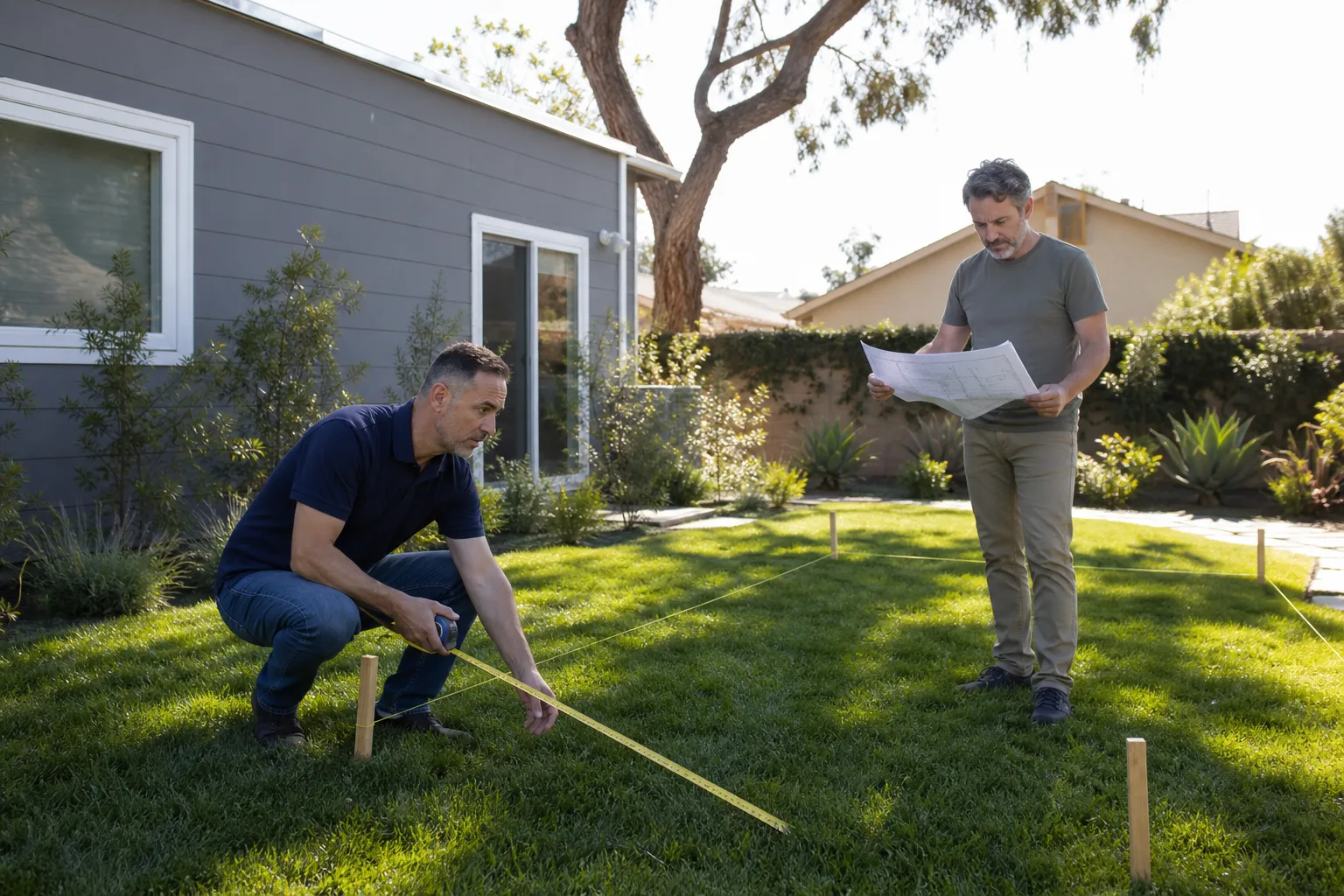
Site walk and measurements. We come out, measure the existing structure or the build site, check setbacks and access, and photograph everything. Troy Eastman walks every Long Beach ADU estimate himself because he wants to see the lot, the soil, the alley access, and how the sun hits the walls before pricing anything.
- 3
Written price, line by line. You get a written scope of work with material costs broken out, including the specific James Hardie product lines we’re using, the labor, the waste factor, and the permit fees we expect. No verbal ballpark that changes at the door.
- 4
Build and document. Our crew does the work in uniform, with background-checked techs on site. You get photo updates as the framing goes up, as the Hardie siding goes on, and as the trim and paint get finalized. You’ll know exactly what happened on your property every day.
- 5
Walkthrough and sign-off. We walk the finished unit with you, check every wall, corner, and clearance, and you pay by digital invoice link. The 365-Day Done Right Promise is in writing before you make that final payment.
- 6
One year of coverage. If anything isn’t right within 365 days, we come back and fix it. That’s the written guarantee stamped on every project, and it’s not a handshake deal.
What James Hardie ADU Builders Costs in Long Beach
Let’s talk actual numbers, because you should know the ballpark before you tap call. For a detached ADU with James Hardie siding in Long Beach, here’s what we see:
- Studio ADU (400-500 sq ft) with HardiePlank lap siding: $180,000 to $230,000 all-in, including foundation, framing, siding, roofing, and basic interior finishes.
- One-bedroom ADU (600-750 sq ft) with HardiePanel or mixed siding: $230,000 to $300,000 depending on site conditions and interior spec.
- Two-bedroom ADU (800-1,000 sq ft) with HardiePlank and HardieTrim: $300,000 to $360,000, with the upper end reflecting higher-end finishes and trickier lot access.
- Siding-only replacement on an existing ADU or home: $14 to $22 per square foot installed, including tear-off, flashing, and paint.
What moves the price? Foundation type (pier and beam versus slab), whether utilities need trenching from the street, how much site prep the lot needs, and whether you want the full ColorPlus factory finish or site-painted boards. Call (562) 362-3885 and we’ll put a written number in front of you after one site visit. Estimates are free.
Why Long Beach Homeowners Call Benson ADU Long Beach for James Hardie Work
We’re not the only builder in Long Beach who can put Hardie siding on a wall. But we’re one of the few who will hand you a written price before any work starts and then stand behind it for a full year. The 365-Day Done Right Promise means if something isn’t right, we make it right, no invoice attached to the callback. Our techs are background-checked and uniformed, so you always know who’s on your property. And because we build with Abodu, Cover, Dvele, and other prefab brands alongside site-built Hardie construction, we’re not married to one approach. We’ll tell you honestly when a prefab panel system makes more sense than stick framing, and vice versa. Troy Eastman has been on enough Long Beach ADU sites, including a stretch of detached units over in Wrigley with older lot setbacks that would make most builders walk away, that he knows exactly how to read a survey and flag the problems before they become change orders. Every promise in writing before a single shovel turns.
FAQs
Yes, in most cases we can match the existing HardiePlank or HardiePanel profile, texture, and color closely enough that the addition looks intentional rather than patched. If the original siding used a ColorPlus factory finish that’s been discontinued, we’ll get you the closest available match and tell you the difference up front before you pay for anything. Call (562) 362-3885 for a written quote on the match.
We handle the full permit process, including plans, submittals, and inspections. Long Beach has specific ADU setback and height rules, and we walk you through the permit language in plain English before anything gets signed. You’ll know what the city requires and what it means for your lot before we ever order materials.
A typical detached ADU in Long Beach takes four to six months from permit submittal to final inspection, with the Hardie siding installation itself usually running one to two weeks depending on the unit size and complexity. The timeline is driven mostly by the city’s plan check and inspection schedule, and we’ll give you a realistic schedule in writing when we price the job.
For Long Beach specifically, yes. Hardie fiber cement holds up better than vinyl in our salt air, resists the sun better than most stucco finishes, and doesn’t rot like wood. You’ll pay 20 to 30 percent more than vinyl upfront, but you won’t be replacing or repainting it nearly as often in this climate. We’ll show you the material cost difference line by line so you can decide.
If anything on the James Hardie installation or the ADU build itself isn’t right within 365 days, we come back and fix it at no charge. That’s the 365-Day Done Right Promise, in writing, stamped on every project. If a covered repair fails, we’ll make a second visit free too. Call (562) 362-3885 and we’ll put it all in writing before you commit to anything.
Written by Troy Eastman, Owner & Lead Builder, Benson ADU Long Beach at Benson ADU Long Beach, serving Long Beach and nearby areas.